Medical Central Vacuum System for Hospitals
A medical central vacuum system is a critical component of hospital infrastructure, providing continuous vacuum supply for surgical suction, patient care, laboratories, and medical equipment. Unlike decentralized vacuum solutions, central vacuum systems are designed to operate reliably around the clock, ensuring uninterrupted service to multiple departments throughout a hospital.
Leading vacuum technology manufacturers and hospital engineering standards consistently define medical vacuum systems as mission-critical utilities, where reliability, redundancy, and system stability are non-negotiable requirements. This article explains how medical central vacuum systems work, key design principles, and the vacuum pump technologies commonly used in hospitals.
What Is a Medical Central Vacuum System?
A medical central vacuum system consists of multiple vacuum pumps installed in a dedicated plant room, connected to a centralized piping network that distributes vacuum to points of use throughout the hospital.
Typical applications include:
Surgical suction in operating theaters
Patient suction and airway management
Intensive care and emergency departments
Medical laboratories and diagnostic areas
By centralizing vacuum generation, hospitals can ensure consistent performance, simplified maintenance, and improved system reliability.
Key Design Requirements for Hospital Central Vacuum Systems
Continuous 24/7 Operation
Medical vacuum systems are required to operate continuously without interruption. System downtime can directly impact patient safety and clinical procedures.
Vacuum pumps used in hospital systems must be designed for continuous duty operation with stable performance under varying load conditions.
Redundancy and Fail-Safe Design
Redundancy is a fundamental principle in medical vacuum system design. Hospital systems are typically configured with N+1 or higher redundancy, ensuring that full system capacity is maintained even if one pump is offline for maintenance or unexpected failure.
Automatic changeover and load balancing are essential features in redundant medical vacuum systems.
Stable Vacuum Level and System Control
Medical applications require a stable and controlled vacuum level across all points of use. Pressure fluctuations can affect surgical performance and patient care.
Central vacuum systems are equipped with control units that regulate pump operation, maintain vacuum setpoints, and respond to demand changes automatically.
Hygiene and Contamination Control
Hospital vacuum systems must be designed to minimize contamination risks. This includes:
Appropriate inlet filtration
Bacterial and liquid separation
Controlled exhaust management
Proper system design protects both patients and hospital staff.
Vacuum Pump Technologies Used in Hospital and Medical Applications
Oil-Lubricated Rotary Vane Vacuum PumpsOil-lubricated rotary vane vacuum pumps are widely used in hospital central vacuum systems due to their proven reliability and stable vacuum performance. Key advantages include: Continuous-duty capability Stable vacuum generation for medical suction Long service life when properly maintained These pumps are commonly used as the backbone of traditional hospital vacuum systems. | 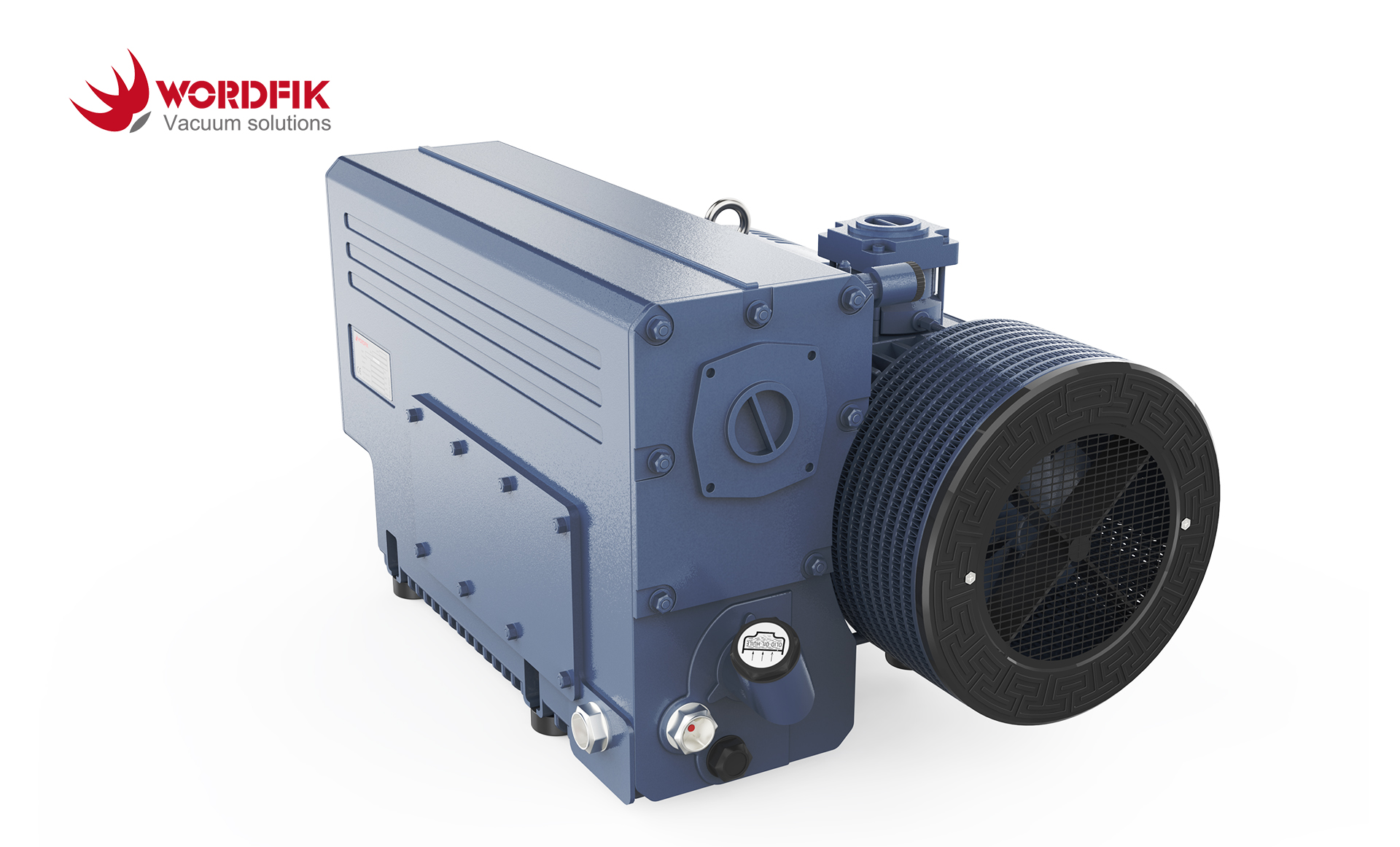 |
Claw Vacuum PumpsClaw vacuum pumps are increasingly adopted in modern medical vacuum systems due to their oil-free compression and reduced maintenance requirements. Benefits for hospital use include: Oil-free operation minimizing contamination risk Stable performance over long operating periods Lower maintenance compared to oil-lubricated systems Claw pumps are often selected for hospitals seeking clean operation and simplified maintenance. | 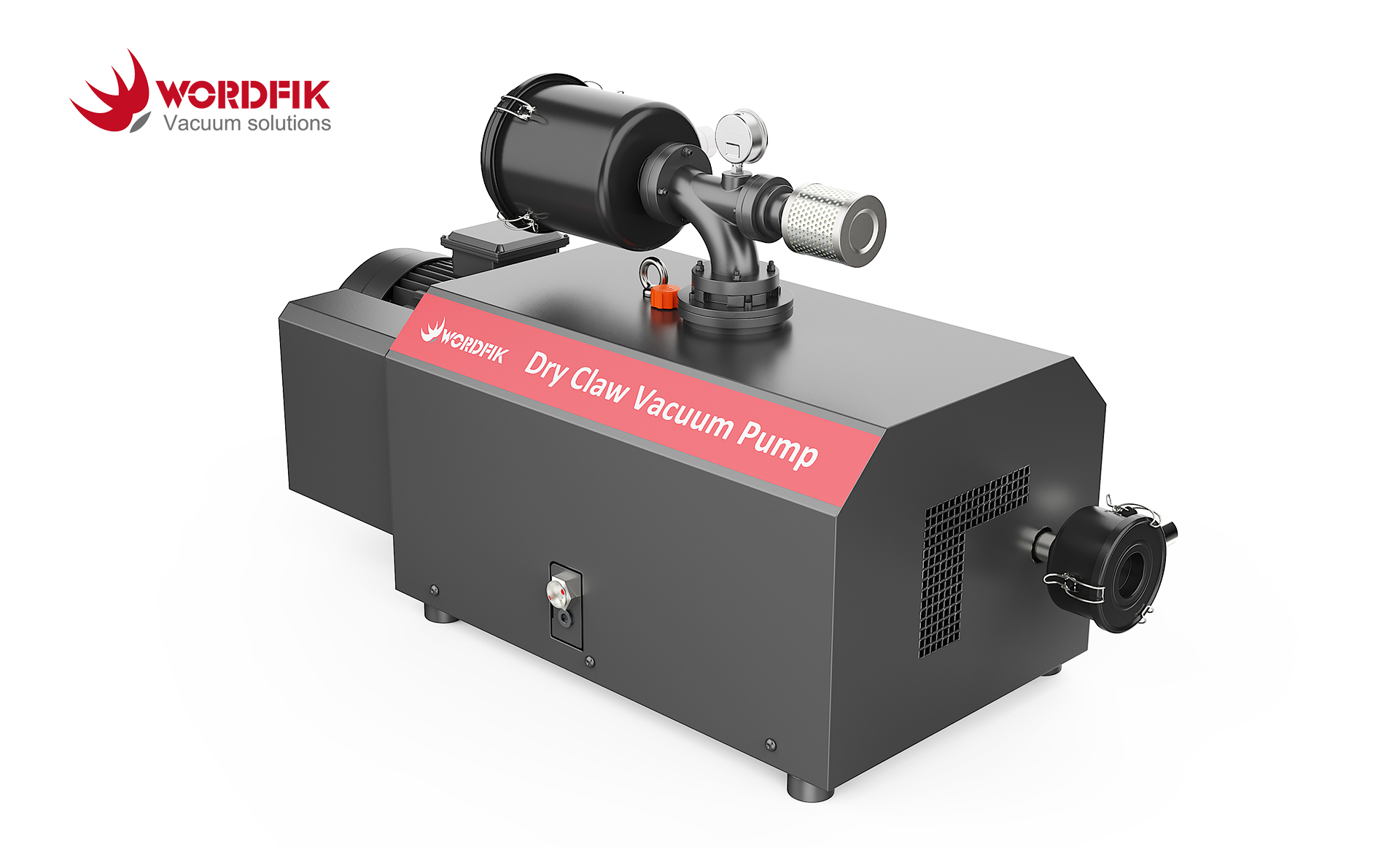 |
Screw Vacuum PumpsScrew vacuum pumps are typically used in large hospitals or high-demand medical facilities where reliability and energy efficiency are critical. Typical characteristics include: Screw vacuum pumps are well suited for advanced medical central vacuum systems. | 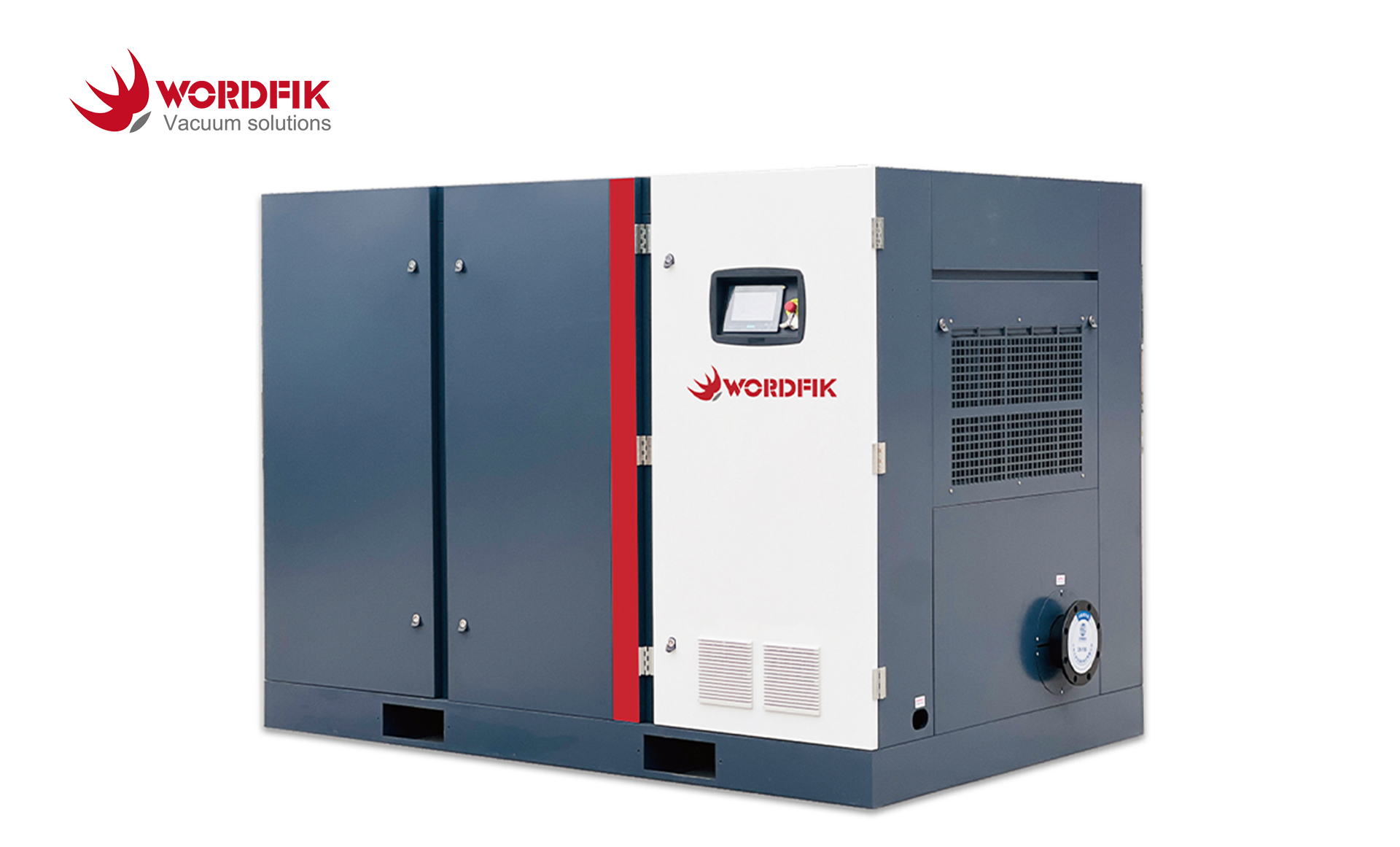 |
Central Vacuum System Configuration and Layout
A typical hospital central vacuum system includes:
Multiple vacuum pumps arranged in redundant configuration
Vacuum receivers and separators
Medical-grade filtration systems
Control panels and monitoring systems
Centralized piping network
System layout is designed to ensure uniform vacuum distribution and easy access for maintenance.
Monitoring, Maintenance, and Compliance
Medical central vacuum systems require continuous monitoring to ensure reliable operation. Modern systems include alarms and status indicators for:
Vacuum level deviations
Pump operation status
Maintenance requirements
Preventive maintenance programs are essential to ensure long-term system reliability and compliance with hospital operational standards.
Wordfik Medical Central Vacuum System Solutions
Wordfik provides medical central vacuum system solutions engineered for hospital environments, focusing on reliability, redundancy, and continuous operation.
Wordfik solutions include:
Oil-lubricated rotary vane vacuum pumps for proven medical systems
Claw vacuum pumps for oil-free hospital environments
Screw vacuum pumps for high-demand medical applications
Each system is customized according to hospital size, application requirements, and redundancy standards, ensuring reliable vacuum availability for critical medical operations.
Conclusion
Medical central vacuum systems are essential infrastructure in hospitals, supporting critical clinical and patient care applications. Proper system design, redundancy, and vacuum pump selection are fundamental to ensuring continuous and reliable operation.
By applying proven vacuum technologies and system engineering principles, hospitals can maintain stable vacuum supply and meet the operational demands of modern healthcare facilities.
Wordfik medical central vacuum system solutions are designed to support long-term, reliable hospital operation.


